Pure Equity Vs Asset Allocation: Which is Better?

-
Customer Service
-
Our Products
- Edelweiss Life - Assured Income STAR - A Regular Guaranteed¹ Income Plan
New Launch
- Edelweiss Life - Guaranteed Flexi STAR - Assured¹ Savings Plan
- Edelweiss Life – Wealth Rise+ - A Double - Advantage ULIP
- Edelweiss Life – Wealth Plus - A Savings, Insurance & Child Benefit Plan
- Edelweiss Life - Zindagi Protect Plus - A Comprehensive Term Plan
New Term Plan
- Edelweiss Life - Premier Guaranteed Star
- All Products
- Edelweiss Life - Assured Income STAR - A Regular Guaranteed¹ Income Plan
-
Resume Application
-
Insurance Guide
-
Knowledge Center
- Savings Plans
- Life Insurance
- Term Insurance plans
- Unit Linked Insurance Plans
- Guaranteed Income Plans
- Retirement Insurance
- Health Insurance Plans
- Child plans
- Insurance Fraud Awareness
- Covid Insurance
- NRI Insurance
- Investment Plans
- Endowment Plans
- Group Insurance
- Micro Insurance
- Sabse Pehle Life Insurance
Pure Equity Vs Asset Allocation: Which is Better?
10/30/25 7:49 AM
Blog Title
922 |
10/30/25 7:49 AM |
Should you go all-in with equity or balance your investments across assets? Equity investing promises high growth, while asset allocation offers stability and balance. But which one works best for your goals, risk appetite, and financial future? Let’s break it down clearly so you can make an informed choice for your investment plan.
What do you mean by Pure Equity Investing?
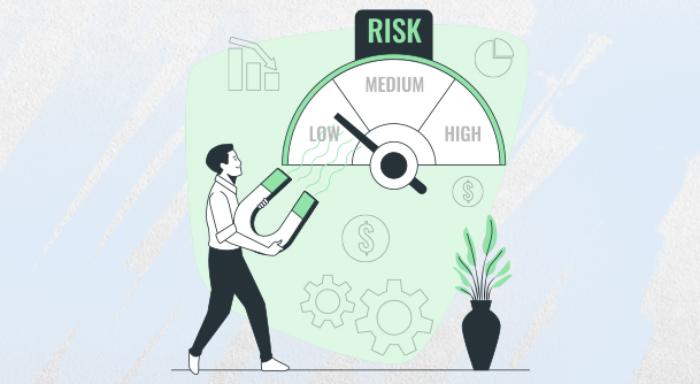
Pure equity investing means putting all your money into equities. This includes stocks or equity mutual funds. Here, you aim for higher returns by riding the growth potential of the stock market. It’s a high-risk, high-reward approach. It works well if you're chasing long-term capital growth.
Here are the key benefits of pure equity investing:
Higher Growth Potential:
Equities have historically delivered higher returns of up to 16% over 20 years compared to other asset classes like debt or fixed deposits.
Compounding Returns:
When you reinvest your gains, your wealth grows faster. This is due to the power of compounding.
Inflation Hedge:
Equities can help your money outpace inflation. This preserves your purchasing power over time.
Liquidity:
Stocks and equity mutual funds are generally easy to buy and sell. This offers flexibility if you need to access your funds.
Diversification Within Equities:
You can diversify your investments across sectors and industries to reduce risk, even within a pure equity strategy.
What do you mean by Asset Allocation?
Asset allocation is about spreading your investments across different asset classes. For example, equities, debt (bonds), and sometimes gold or real estate.
The goal is to balance risk and reward. It is done by mixing assets that behave differently in various market conditions.
Here are the key benefits of asset allocation:
Risk Management:
By diversifying, you reduce the impact of a bad year in one asset class. When equities fall, debt instruments often provide stability.
Periodic Rebalancing:
You can periodically adjust your portfolio to maintain your chosen allocation, ensuring you don’t take on more risk than intended.
Stable Returns:
Asset allocation aims for more consistent, less volatile returns. This can keep you motivated to stay invested, even during market downturns.
Customisation:
You can adjust your asset mix based on your age, risk tolerance, and financial goals. For example, younger investors might have a higher equity allocation, while those nearing retirement might prefer more debt.
Asset allocation also allows you to include tax-saving investments like PPF, NPS, or tax saving fixed deposits, which can help you save on taxes while balancing risk.
Key Differences: Pure Equity vs Asset Allocation
Feature |
Pure Equity Investing |
Asset Allocation |
Main Focus |
Only equities on (stocks, equity MFs) |
A mix of equities, debt, and others |
Risk Level |
Usually higher |
Moderate to low (depends on allocation) |
Return Potential |
Highest over the long term |
Slightly lower but more stable |
Volatility |
Higher than asset allocation |
Lower than pure equity investing |
Suitable For |
Long-term, high-risk investors |
All investors, especially risk-averse |
Rebalancing Needed |
No, unless within equities |
Yes, to maintain an allocation |
Tax Saving Investments |
Limited to ELSS mutual funds |
More options with PPF, NPS, FDs, etc. |
Liquidity |
It is higher |
Varies by asset |
What Should You Go for and When?
The right choice depends on your unique situation. Here’s how to decide:
Choose pure equity if:
- You are young.
- You have a long investment horizon (10+ years).
- You can handle market ups and downs.
- Your goal is maximum wealth creation, such as building a retirement corpus or funding a child’s education far in the future.
- You don’t need the money in the short term and can stay invested through market cycles.
Choose asset allocation if:
- You want a balanced approach that manages risk and provides more stable returns.
- Your investment goal is medium-term.
- You’re nearing a financial milestone (like buying a house or planning for retirement).
- You prefer to include tax-saving or tax-free investments in your portfolio.
- You are risk-averse or get anxious during market volatility.
If you’re looking for tax-saving investments, asset allocation lets you combine equity (via ELSS funds) and debt (via PPF or NPS) to get the best of both worlds. This includes growth and tax benefits.
Final Thoughts
Pure equity can deliver the highest returns but comes with higher risk and volatility. Asset allocation offers a smoother ride, balancing growth and safety. The best investment plan is the one that matches your risk tolerance, goals, and time horizon.
Review your portfolio regularly and adjust your strategy as life changes. This way, you’ll stay on track to meet your financial goals confidently and comfortably.
Related Blogs